Award-Winning Campervan Hire in Australia | Email, chat or call the Spaceships AU Crew


Hit enter to search or ESC to close

Australia is ridiculously big. Like, “you could fit Europe inside it and still have room” big. Which means planning a trip here can feel a bit overwhelming when you’re staring at a map the size of a continent wondering where the heck to start. That’s where this guide comes in. We’ve broken down Australia's greatest hits state by state, so whether you’re road tripping the entire coast or just hitting one region, you’ll know the exact places that deserve a stop. It’s time to find out what makes people travel halfway round the world to get here. Let’s go!
Quick Navigation:
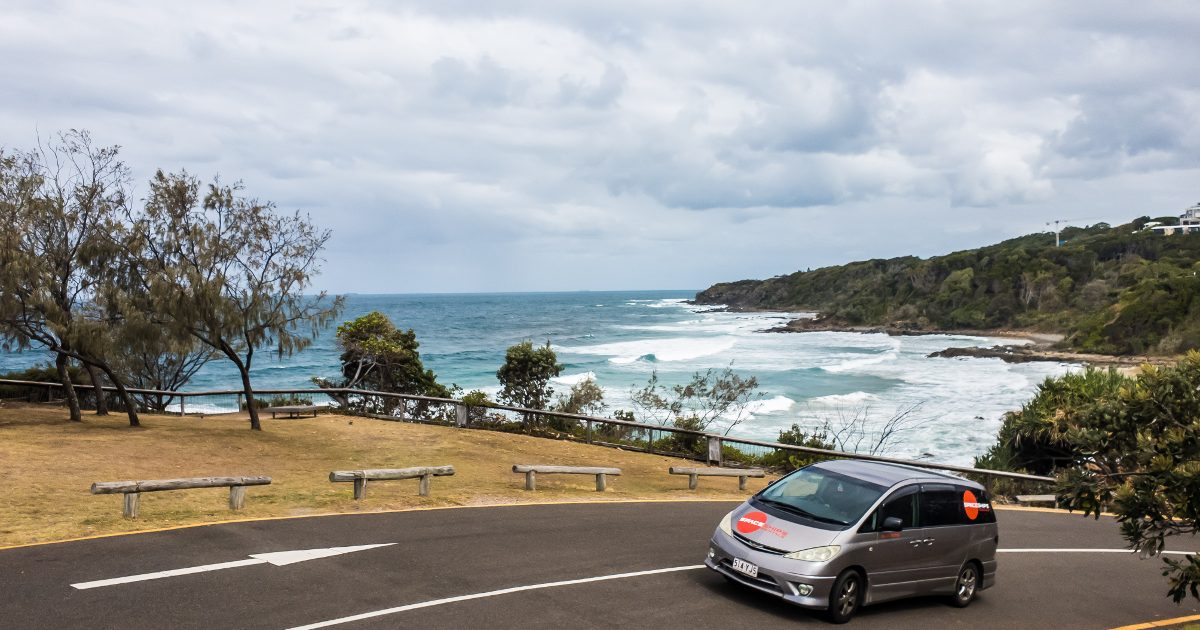
Blast off on the road trip of a lifetime across Australia
Best Things To Do In Queensland
While the rest of Australia is of course impressive, Queensland casually drops the world’s largest coral reef system, the world's largest sand island and the world's oldest rainforest. The locals call it the “Sunshine State” - and for good reason. With around 300 days of sunshine a year, Queensland proudly boasts a subtropical climate, beautiful beaches and countless natural attractions up and down the east coast. Pack your sunnies, your sense of adventure and your camera, Queensland is about to blow your mind!
Great Barrier Reef (Cairns/Port Douglas)
- Best time to visit: Dry season (May-October)
- Cost: Tours often start from $200+ AUD
- Time needed: 1 day minimum
- Best for: Nature lovers, families, divers & snorkellers
One of the 7 natural wonders of the world (often cited at the #1 tourist attraction in Australia) and the largest coral reef system on earth, the magnificent Great Barrier Reef can even be seen from outer space! With 2,300 km of coral stretching along Queensland’s coast, it’s home to over 1,500 fish species, 600 types of coral, sea turtles, reef sharks and manta rays. It’s the world's largest living structure and it’s genuinely jaw-dropping. Tours from Port Douglas can be less crowded than from Cairns if you're looking for something a little more low-key. Trips with smaller passenger limits can also make for a better experience. Morning dives have the best visibility for snorkelling and often the calmest conditions.
Whitsunday Islands & Whitehaven Beach
- Best time to visit: September to November (spring)
- Cost: Day trip costs vary widely, starting from around $200+ AUD
- Time needed: 2-3 days minimum
- Best for: Beach lovers, families, couples (honeymooners), backpackers, luxury travellers
Nestled within the Great Barrier Reef, the Whitsundays are a group of 74 tropical islands with 98% pure silica white sand and famous turquoise blue water. The waters swirl in gorgeous patterns best seen from the Hill Inlet lookout - one of Australia’s most photographed views. Each of the islands offer pristine beaches, snorkelling spots, paddleboarding and sailing opportunities through protected waters. If you’re a confident sailor, book a bareboat charter, or join a multi-day sailing trip with a skipper included. There are plenty of tours to choose from, discover a few of the best Whitsunday tours here.
Daintree Rainforest
- Best time to visit: Dry season (May-October)
- Cost: Free to enter the park
- Time needed: 1-2 days minimum
- Best for: Hikers, those interested in ancient ecosystems and indigenous culture, bird watchers, photographers
The Daintree is the world’s oldest rainforest at an estimated 180 million years old. It’s the only place on Earth where two World Heritage sites meet - the rainforest literally touches the Great Barrier Reef at Cape Tribulation. Drive north from Port Douglas and cross the Daintree River by ferry to enter a prehistoric wonderland of fan palms, strangler figs and cassowaries. Walk the elevated boardwalks at Mossman Gorge, swim in crystal-clear creeks, and spot crocodiles on river cruises. Cape Trib’s beaches are stunning but unswimmable (jellyfish & crocs), making them beautifully untouched. Stay overnight and do the night walk tours to see glowing fungi!
K’gari (Fraser Island)
- Best time to visit: September to November (spring)
- Cost: Day trips or cruises start from $80+ AUD
- Time needed: 1-3 days minimum
- Best for: Families, nature lovers, 4WD enthusiasts, campers
K’gari (Fraser Island) is the world's largest sand island - 123 km of pure sand that somehow supports rainforests, freshwater lakes and even dingos. It’s best explored using 4WD vehicles, driving along sand beaches that serve as highways, swimming in impossibly clear lakes like Lake McKenzie (Boorangoora), and visiting the rusted hull of the SS Maheno. The Champagne Pools are incredible volcanic rock pools where waves crash over the edge, creating natural bubbles - it’s the only safe spot for ocean swimming on the island. The Eli Creek pumps out millions of litres of fresh water daily creating a natural lazy river you can float down. Check out all the tours and activities available on K'gari here.
Noosa National Park
- Best time to visit: Autumn (March-May) and winter (June-August)
- Cost: Entry to the park is free
- Time needed: Anywhere from a few hours to a full day
- Best for: Families, hikers & walkers, nature lovers, wildlife spotters, beachgoers
Noosa National Park proves you don’t need to venture into remote wilderness for incredible Australian nature and wildlife - it’s literally a 5-minute walk from Noosa’s cafe-lined main street. Follow the coastal track winding around the headlands with panoramic ocean views, secluded beaches, and koalas sleeping in tree forks overhead (look up near Tea Tree Bay). The 5 km circuit is suitable for families but still offers rocky coves, surf breaks (Granite Bay) and whale-watching opportunities between June and November. Finish your walk with a swim at Main Beach or brunch at one of Hastings Street’s many excellent cafes.
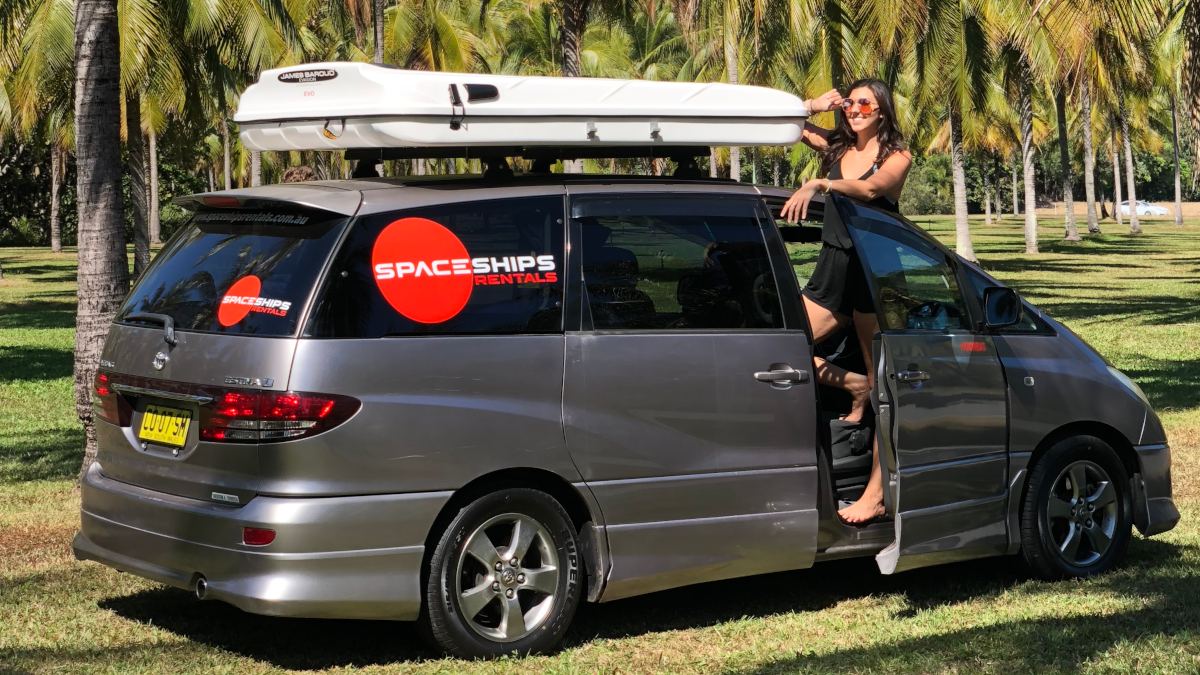
Travel in style through the tropical Queensland
Best Things To Do In South Australia
South Australia may be Australia’s best kept secret. This is the state that’s perfected the art of the good life: world-class wines in the Barossa Valley, some of the country’s best restaurants, and beaches where you may be more likely to share the sand with sea lions than tourists. If other states are loud and attention-seeking, South Australia is the cool, cultured one quietly making everything look effortless.
Barossa Valley
- Best time to visit: September to October (springtime)
- Cost: Prices vary depending on activities, from wine tasting to hop-on-hop-off tours
- Time needed: 1 day minimum
- Best for: Wine lovers, foodies, couples
The Barossa Valley is Australia’s most famous wine region that’s been perfecting Shiraz and Riesling since the 1840s when German settlers arrived. Explore historic towns like Tanunda and Angaston, where generations of winemakers pour generous tastings while sharing stories. Henschke, Seppeltsfield and Chateau Yaldara are some of the big names, but the smaller family run wineries are always good fun. Between tastings try some artisan cheese, fresh bread and local restaurants that treat local produce like religion.
Kangaroo Island
- Best time to visit: Summer (December to February), also peak season
- Cost: The ferry to the island is $49 AUD one way for an adult (not including a vehicle)
- Time needed: 1-3 days minimum
- Best for: Nature & wildlife enthusiasts, families, foodies, adventure seekers
Kangaroo Island is where Australian wildlife apparently decided to have a convention. See sea lions lounging at Seal Bay, koalas in the eucalyptus branches at Hanson Bay, seals playing in the waves, and kangaroos all over the island (obviously). The Remarkable Rocks at Flinders Chase are exactly what they sound like - massive weather sculpted granite boulders perched on coastal cliffs that look like modern art installations. The island also produces exceptional honey, gin and seafood - yum!
Adelaide Central Market
- Best time to visit: Year-round. Go early to avoid crowds (closed Sunday & Monday)
- Cost: Free to enter
- Time needed: At least an hour to browse and try some food
- Best for: People who love fresh, diverse food
Adelaide Central Market is a 150-year-old food market where traders sell everything from Columbian influenced foods to famous paninis to South Australian seafood. This is not like your average supermarket experience - it’s chaotic, colourful and smells incredible. Sample cheese at the Smelly Cheese Co. (yes, that’s the real name), pick up fresh pasta from Lucia’s Fine Foods, and finish with a gelato while people-watching. The Central Market reflects Adelaide’s multicultural soul and is where locals actually grocery shop, especially for the fresh produce.
Flinders Rangers
- Best time to visit: April to October (autumn, winter, spring)
- Cost: $13.90 AUD per vehicle for entry
- Time needed: 2-3 days minimum
- Best for: Outdoor adventurers, history and geology lovers, families, photographers
The Flinders Ranges are ancient mountains that have weathered down over hundreds of millions of years into dramatic ridges, gorges, and the amphitheatre-shaped wonder of Wilpena Pound. This natural basin rises 1,000 metres above the surrounding plains and is best explored on foot. Hike to the top of St Mary Peak (20 km return, challenging) for 360-degree views inside and out of Wilpena Pound. Visit Sacred Canyon and Arkaroo Rock to see Aboriginal rock art, and stay for the night to see skies so dark and the Milky Way like never before.
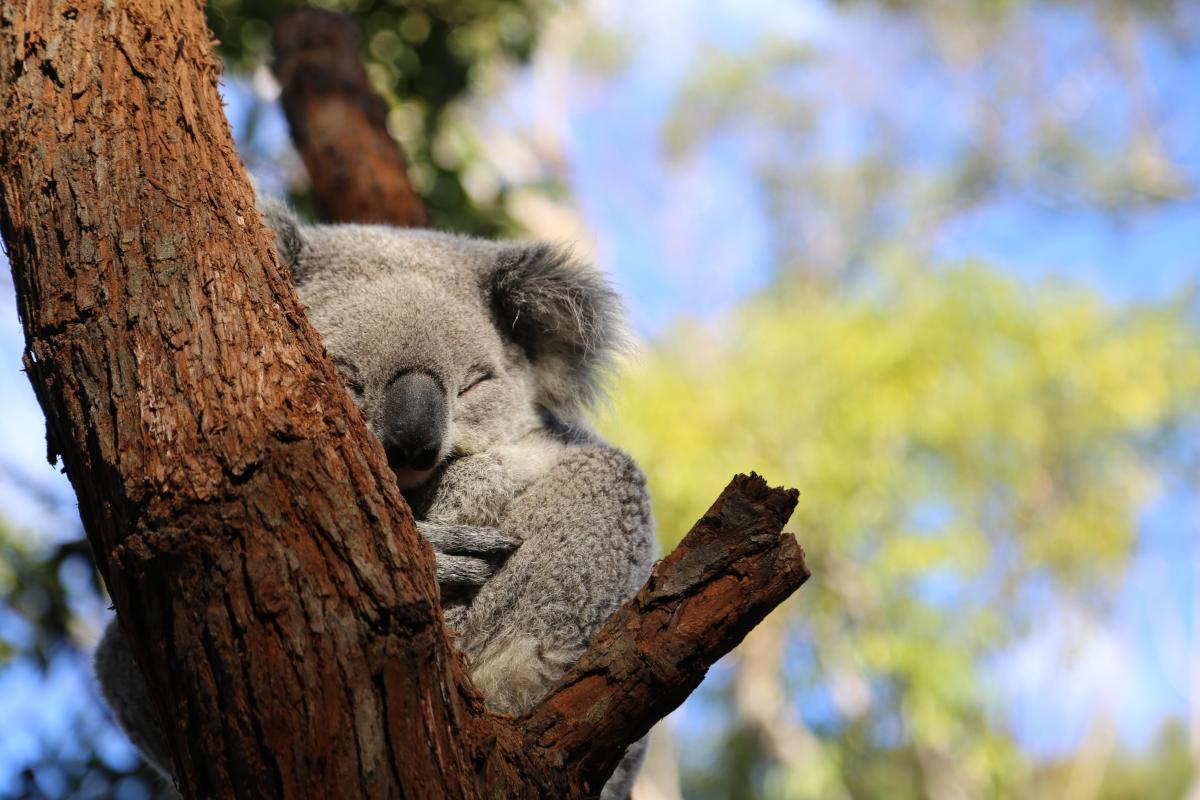
Spot wild koala's in South Australia
Best Things To Do In Northern Territory
The Northern Territory is where Australia gets properly ancient. We’re talking 60,000+ years of Aboriginal culture, rock formations older than dinosaurs, and landscapes so vast you’ll feel like you're on another planet. In reality, it is the land of extremes. Endless red deserts in the south, tropical wetlands in the north, more stars in the night sky than you thought possible and outback pubs where the beer is cold and the stories are raw. The NT is the real Australian experience. Just remember - if there is a sign warning you about crocodiles, it’s not being dramatic.
Uluru-Kata Tjuta National Park
- Best time to visit: May to September
- Cost: $38 AUD for a day pass into the park
- Time needed: 1-3 days minimum
- Best for: Families, adventurers, culture enthusiasts, photographers, backpackers
Uluru is a spiritual powerhouse standing tall in the outback for over 500 million years and is widely considered one of Australia’s 7 natural wonders. Watch the sandstone monolith change colour from burnt orange to deep crimson to violet as the sun sets, while Kata Tjuta (the Olgas) sits in the background. The traditional Anangua owners have cared for the land for over 30,000 years, and their stories are carved into every crevice.
Start your visit at the Culture Centre to learn about the sacred history of Uluru (and why climbing it was rightfully banned in 2019). Sunrise or sunset tours with an Aboriginal guide are popular and their knowledge of the area truly transforms the experience. The 10.6 km base walk takes 3-4 hours passing waterholes and cave paintings getting you right up close to the rock. Drive to the Talinguru Nyakunytjaku lookout for elevated views at sunset (arrive early to get a park). The viewpoint does get busy, so you may want to walk along the trail a little to find a quiet spot. After dark, visit the Field of Light installation to see the desert turn into a glowing dreamscape of 50,000 solar spindles lighting up the area. Uluru is often the key stop of any outback road trip, pick your route driving from Sydney to Alice Springs, or try tackling Adelaide to Cairns via Darwin. Whatever you choose, you’re in for a long, long drive.
Kakadu National Park
- Best time to visit: Dry season (May to October)
- Cost: $40 AUD for 1 adult during the dry season. Valid for 7 days.
- Time needed: 1-3 days minimum
- Best for: Those interested in learning about indigenous culture, outdoor adventurers, 4WDs, wildlife lovers
Kakadu feels like a place where Mother Nature was let loose and created wetlands, waterfalls, sandstone cliffs and billabongs (waterholes/lakes) in one massive 19,816 sq km playground that’s almost the size of Wales! It’s Australia’s second largest national park and is a rare, dual World Heritage site (both natural and cultural).
The Aboriginal rock art at Ubirr and Nourlangie is special with some paintings being over 20,000 years old. Visit Jim Jim Falls and Twin Falls to see thundering cascades and swimming holes so perfect they seem Photoshopped. Saltwater crocodiles can be present so only swim where signposted and be careful if you notice water changes. Maguk (Burramundi Gorge) is a safe place to swim, try to go before 9am to have the plunge pool virtually to yourself. It’s a moderate 2 km walk to the swimming hole that’s filled with crystal clear, waterfall-fed water. The Yellow Water Billabong cruise at dawn is also a great thing to do - cruise through wetlands and see hundreds of bird species and crocs gliding past.
Nitmiluk (Katherine) Gorge
- Best time to visit: Dry season (May to October)
- Cost: Northern Territory Park Pass, starting from $10 AUD for 1 day, 1 adult
- Time needed: 1-3 days minimum
- Best for: Hikers, canoers, adventure lovers, families, road trippers
Nitmiluk is 13 gorges carved through ancient sandstone by the Katherine River over millions of years. The gorge walls tower 70 metres high in places creating this incredible natural cathedral of fiery orange rock. Swimming in Nitmiluk is allowed in designated areas, a popular spot with easy access being Lelyin (Edith Falls). Hire a canoe and paddle through the gorges, or take a peaceful cruise with commentary from the local Jawoyn people to learn about their connection to the land. If you're feeling properly adventurous, the Jatbula Trail is a 62 km, 5-6 day hike that’ll destroy your legs but reward you with waterfalls, swimming holes and bragging rights!
Litchfield National Park
- Best time to visit: Dry season (May to October)
- Cost: Northern Territory Park Pass, starting from $10 AUD for 1 day, 1 adult
- Time needed: 1-3 days minimum
- Best for: Adventure seekers, history lovers, families, campers, hikers
Litchfield National Park is like Kakadu’s more accessible sibling. It’s got all the natural beauty with half the drive time. It’s close enough to Darwin for a day trip, but camping and staying overnight in the park is worth it to have waterfalls to yourself at sunrise. Visit to see magnetic termite mounds standing up to 2 metres high, Florence Falls and Wangi Falls. For a swim, head to Buley Rockhole - a beautiful series of cascading pools you can float between.
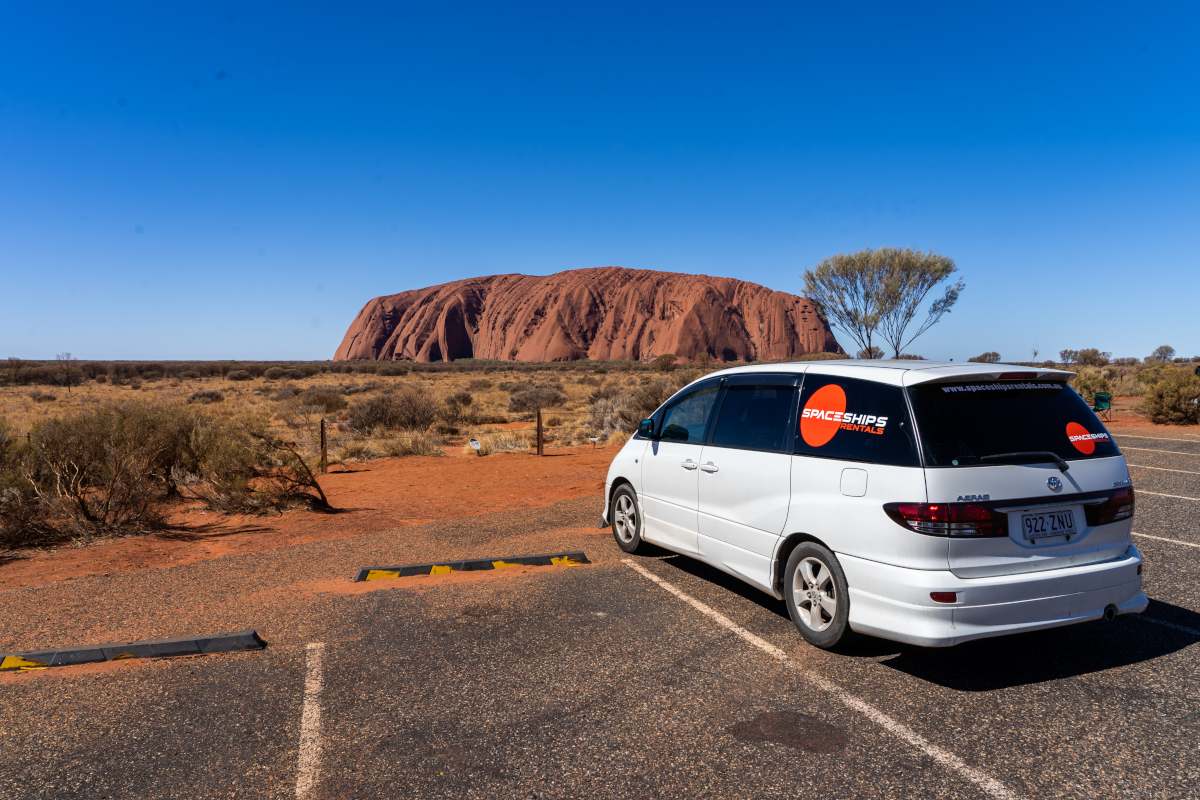
Drive all the way to Uluru!
Best Things To Do In Western Australia
Western Australia is absurdly massive. It's larger than Texas, Alaska, and Californina combined making up about one third of Australia. Perth, it's largest city, actually sits close to Bali than Sydney, which gives WA this refreshingly independent "we'll do things our way" attitude. But size isn't WA's only flex. Western Australia boasts remote beaches, reefs with whale sharks and plenty of outback gorges. If you want raw, vast and insanely beautiful, you'll love Western Aus.
Ningaloo Reef
- Best time to visit: March to October
- Cost: DIY snorkelling is free, tours can start from $150+ AUD
- Time needed: 3-4 days to hit all the highlights
- Best for: Marine encounters, snorkelling, diving, pristine reefs, beach camping
The Ningaloo Reef is Western Australia’s Great Barrier Reef, except you can go snorkelling without the boat ride. Just snorkel straight off the beach! The 260 km fringing reef sits just metres from shore in some places, with crystal-clear waters teeming with manta rays, turtles, reef sharks and over 500 fish species. While all that sounds amazing, the real drawcard is swimming with 12 metre long whale sharks (March to August). Exmouth and Coral Bay are the main bases, both offering that remote tropical vibe without the crowd.
The Pinnacles Desert (Nambung)
- Best time to visit: Year-round, August to September for wildflowers
- Cost: $15 AUD per vehicle
- Time needed: Half day
- Best for: Photography, unique landscapes, road trips, families, geology enthusiasts
The Pinnacles look like someone scattered thousands of limestone towers across a golden desert to create an otherworldly alien landscape. The formations rise up to 3.5 metres high and were created over millions of years from seashells broken down and blown inland. Photographers should visit at sunrise or sunset to see the limestone turn golden-orange against the blue sky. Combine it with nearby Lancelin’s sand dunes for sandboarding or the fishing town of Cervantes for fresh crayfish. It’s an easy day trip from Perth but truly feels like another planet.
Margaret River
- Best time to visit: November to April
- Cost: Free to visit, costs vary depending on activities
- Time needed: 2-3 days minimum
- Best for: Wine enthusiasts, foodies, surfers, hikers, outdoor lovers
Margaret River is Western Australia’s premium wine and food region, producing world-class Cabernet Sauvignon and Chardonnay alongside artisan cheese, chocolate and some amazing restaurants. Over 100 cellar doors dot the region, from big names like Vasse Felix and Leeuwin Estate to tiny family operations pouring exceptional drops. But it’s not just about wine, Margaret River also has world-class surf breaks (Surfers Point and Prevelly), over 100 limestone caves (Jewel Cave and Mammoth Cave are spectacular), towering karri forests and pristine beaches. The Cape to Cape walking track offers 135 km of incredible hiking if you’re feeling adventurous. Basically, Margaret River is paradise with excellent Cabernet.
Broome & Cable Beach
- Best time to visit: April to October
- Cost: Free to visit
- Time needed: 1-4 days to see the area
- Best for: History buffs, foodies, adventure seekers, nature lovers
Broome is a beautiful coast where the red outback meets the impossibly turquoise ocean. The tropical pearling town has a fascinating multicultural history dating back to the 1880s. Visit Chinatown to see historic architecture, pearl showrooms and outdoor cinemas screening movies under the stars. Cable Beach stretches 22 km of white sand and perfect water, famous for the sunset camel rides that create iconic silhouettes against orange skies.
Karijini National Park
- Best time to visit: April to October
- Cost: $15 AUD per vehicle
- Time needed: 3-4 days
- Best for: Culture enthusiasts, hikers, photographers, nature lovers, active explorers
Karijini National Park in Western Australia is an ancient landscape of deep gorges, cascading waterfalls and rock pools. The 2 billion year old rock formations have been carved into narrow slot canyons you can climb, swim and scramble through. Hancock Gorge requires spider-walking between rock walls above water, Weano Gorge leads to the spectacular Handrail Pool, and Fortescue Falls offers the most accessible swimming hole and year-round waterfall.
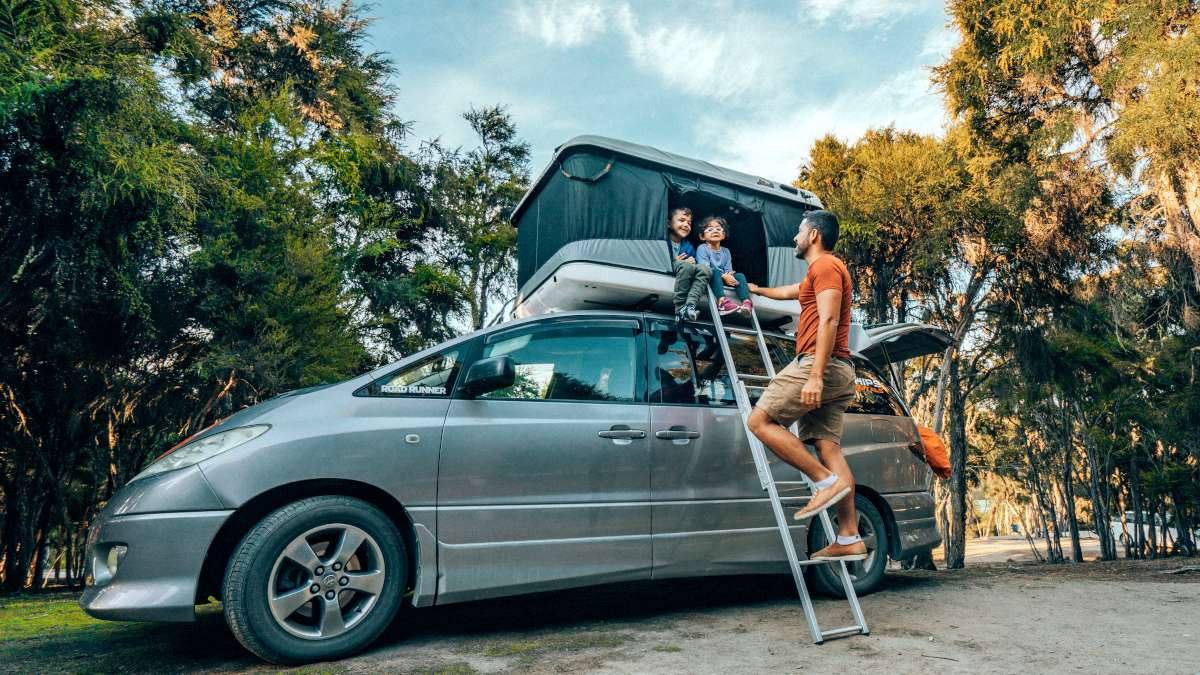
Campervan travel for the whole family
Best Things To Do In Victoria
Victoria is where Australia gets cultured, caffeinated and seriously good at food. This compact state squeezes ridiculous diversity into a small space, you'll get world-class street art and coffee obsession in Melbourne, the iconic Great Ocean Road hugging spectacular coastline, and national parks where wildlife roams freely just hours from the city. Unlike the red desert drama of the Outback or tropical vibes up north, Victoria gives you European-style seasons, moody coastlines, and a vibe that's equal parts sophisticated and laid-back. It's the state that proves Australia isn't just beaches and barbies - though it does those brilliantly too.
Great Ocean Road & Twelve Apostles
- Best time to visit: Year-round
- Cost: Free to drive
- Time needed: 2-4 days
- Best for: Adventure seekers, road trippers, photographers, foodies
The Great Ocean Road is Australia’s most famous coastal drive, and it absolutely lives up to the hype. The 243 km long road hugs dramatic cliffs, passes surf beaches and the famed Twelve Apostles - massive limestone stacks rising from the Southern Ocean. The road itself was built by returned WWI soldiers as a memorial, carved into cliffsides in a very ambitious engineering project. Pick up your campervan from Melbourne and head towards Torquay (surf capital), where the Great Ocean Road starts. Head west to east so you’re on the ocean side and stop at the iconic Bells Beach, grab lunch in artsy Lorne and spot koalas in the wild at Kennett River. The Apostles are of course the headline, but other great stops include Loch Ard Gorge, London Arch and Gibsons Steps, where you can walk onto the beach beneath the cliffs. For more to do along the way, see our guide to 7 Great Ocean Road trip ideas.
Melbourne Laneways & Coffee Culture
- Best time to visit: Year-round
- Cost: Coffee may range from $5 to $7 AUD
- Time needed: Aim for 3-5 days minimum
- Best for: Coffee lovers, foodies, street art enthusiasts, urban explorers
Laneways are the vibrant heart and soul of Melbourne. Walk the city and you’ll find hidden alleyways covered in constantly changing street art, world-class coffee at a number of cafes and bars tucked away behind unmarked doors. Visit Hosier Lane for its well-known graffiti, Degraves Street for classic cafe culture or Hardware Street for its buzzing outdoor dining. Melbourne is made for true urban explorers!
Phillip Island Penguin Parade
- Best time to visit: October to April (warmer months)
- Cost: Adult tickets start from $33 AUD for general viewing
- Time needed: 1-2 hours
- Best for: Families, wildlife lovers, photographers, those looking for a unique experience
Every evening at sunset, hundreds of little penguins (the world’s smallest penguin species at 33 cm tall) waddle out of the ocean and across the beach into their burrows in the dunes. The tiny tuxedoed birds brave the surf, shake off the water and toddle home in groups like commuters after work - it’s very cute. There are a few different viewing points so pick out the one you like best (some are even right at eye level) to see them march past. Phillip Island also offers koala conservation centres, seal colonies at the Nobbies and the Circuit, Aussie’s premier motorsport track. There is something for everyone.
Grampians National Park
- Best time to visit: September to May (spring to autumn)
- Cost: Free entry to the park
- Time needed: 1-3 days minimum
- Best for: Nature lovers, hikers, families, history and geology enthusiasts, photographers
The Grampians (Gariwerd to the local Jardwadjali and Djab Wurrung people) are a series of sandstone mountain ranges erupting from Victoria’s western plains, gifting visitors some of the state’s best bushwalking and most significant Aboriginal rock art sites. The best things to see and do are hike to The Pinnacle Walk & Lookout (4 hours return), visit MacKenzie Falls, take the perfect clifftop photo at The Balconies, or be inspired by 22,000 year old rock art at Bunjil’s Shelter. You’ll also be lucky to see kangaroos, emus, and echidnas everywhere.
Wilsons Promontory
- Best time to visit: November to April
- Cost: Day entry is free
- Time needed: 1-3 days minimum
- Best for: Beaches, hiking, camping, wildlife encounters, wilderness
Wilsons Prom is mainland Australia’s southernmost point and Victoria’s most loved national park. Visit to find a peninsula of granite mountains, squeaky white sand beaches and coastal heathlands that wombats call home. There are some gorgeous single-day and multi-day hikes like the Southern Circuit or Lighthouse walks that take you into genuine wilderness. Top beaches to visit are Squeaky Beach, named after the sound the quartz sand makes underfoot, and Whiskey Beach. The popular Tidal River campground can book out 6+ months ahead for peak season, so if it’s on your bucket list, be sure to set a reminder!
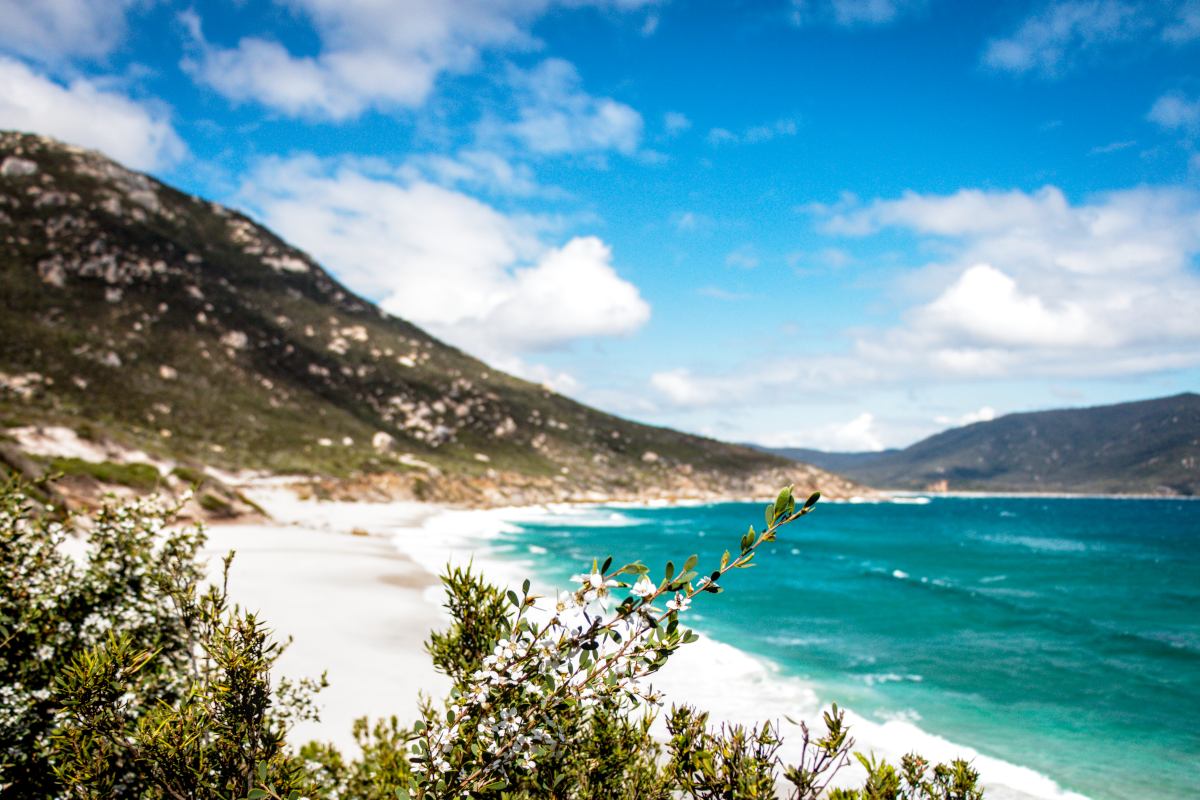
Explore Wilsons Prom in Victoria | photo by Ryan
Best Things To Do In Tasmania
Tasmania may be Australia’s smallest state, but it still has endless things to do. From a mountainous wilderness where rainforests meet alpine peaks, to convict history that haunts crumbling sandstone ruins, and a food and wine scene that rivals the mainland, Tassie is an Australian wonderworld. The locals are proud and easily produce world-class whisky, cheese and oysters like it’s no big deal. Hike through grasslands that stretch to the horizon, walk among jagged dolerite cliffs and spot wee wombats waddling across roads at dusk. Tasmania will make you realise sometimes the best experiences do come in the smallest packages.
Cradle Mountain-Lake St Clair
- Best time to visit: December to April
- Cost: Tasmania Parks Pass - Vehicle passes start from $47.70 AUD
- Time needed: 1 day minimum
- Best for: Nature lovers, hikers, adventure seekers
Cradle Mountain is Tasmania’s most iconic peak, standing at 1,545 m tall. Visit to find alpine moorlands, ancient rainforest, glacial lakes and weather that can cycle from sunshine to snow to horizontal rain within an hour. The 6-day Overland Track is one of Australia’s greatest walks, but day hikers can tackle the Dove Lake Circuit (2 hours) or push up to Marion’s Lookout for amazing views (3-4 hours).
Wineglass Bay (Freycinet)
- Best time to visit: October to April
- Cost: Tasmania Parks Pass - Vehicle passes start from $47.70 AUD
- Time needed: 2-4 hours minimum
- Best for: Beach lovers, hikers, kayakers, photographers
Wineglass Bay is a Tasmanian gem. Take the 1.5 hour return walk to the lookout (steep but worth it), or add another 45 minutes and head right down to the beach, you’ll likely have the place to yourself. The sand is perfectly white and the water is crystal clear but freezing! Kayak tours paddle around the peninsula for a different perspective, passing sea caves, rock formations and fur seals lounging on the rocks. Freycinet National Park is also home to a number of excellent bushwalks, secluded bays and Freycinet Lodge for those wanting luxury after hiking.
MONA (Museum of Old and New Art)
- Best time to visit: Year-round
- Cost: Entry starts from $39 AUD
- Time needed: Half to full day
- Best for: Art and culture enthusiasts
MONA is Australia’s most controversial and captivating museum. It’s a subterranean temple to weird, provocative, and occasionally shocking art built into a cliff face on the Derwent River. Enter and descend three levels underground through spiralling galleries housing everything from ancient Egyptian mummies to modern installations involving poo machines (yes, really). The architecture of the building itself is stunning with raw sandstone walls, dark corridors and unexpected light shafts.
Bay of Fires
- Best time to visit: December to February
- Cost: Tasmania Parks Pass - Vehicle passes start from $47.70 AUD
- Time needed: 1-3 days
- Best for: Beach lovers, photographers, snorkellers, coastal campers
Bay of Fires earned its name from the fires of Aboriginal people seen by Captain Tobias Furneaux in 1773, but today it’s also famous for those strong orange lichen covered granite boulders contrasting against the white sand and impossibly blue water. The 50 km stretch of coastline between Binalong Bay and Eddystone Point is consistently rated among the world’s best beaches, yet remains blissfully uncrowded. Binalong Bay is the most accessible section, while The Gardens offers more remote exploration. The water is freezing but the clear blue waters make it perfect for snorkelling or taking a dip in the rock pools.
Port Arthur Historic Site
- Best time to visit: Year-round
- Cost: Tickets from $53 AUD
- Time needed: Half to full day
- Best for: History buffs, those interested in Australian convict history or heritage sites and ghost stories
Port Arthur was Australia's most notorious convict settlement, a remote prison holding the empire's “worst” criminals in brutal conditions from 1830 to1877. Today, the remarkably preserved sandstone ruins tell haunting stories of suffering, punishment and the 12,500 convicts who passed through them. Your entry ticket includes a harbour cruise to the Isle of the Dead cemetery and Point Puer boys’ prison. The ghost tours after dark aren’t made for the weak as staff report countless unexplained experiences. It’s best to arrive early (9am) to explore before the tour groups arrive or stay till after dark for the best ghost tour experience.
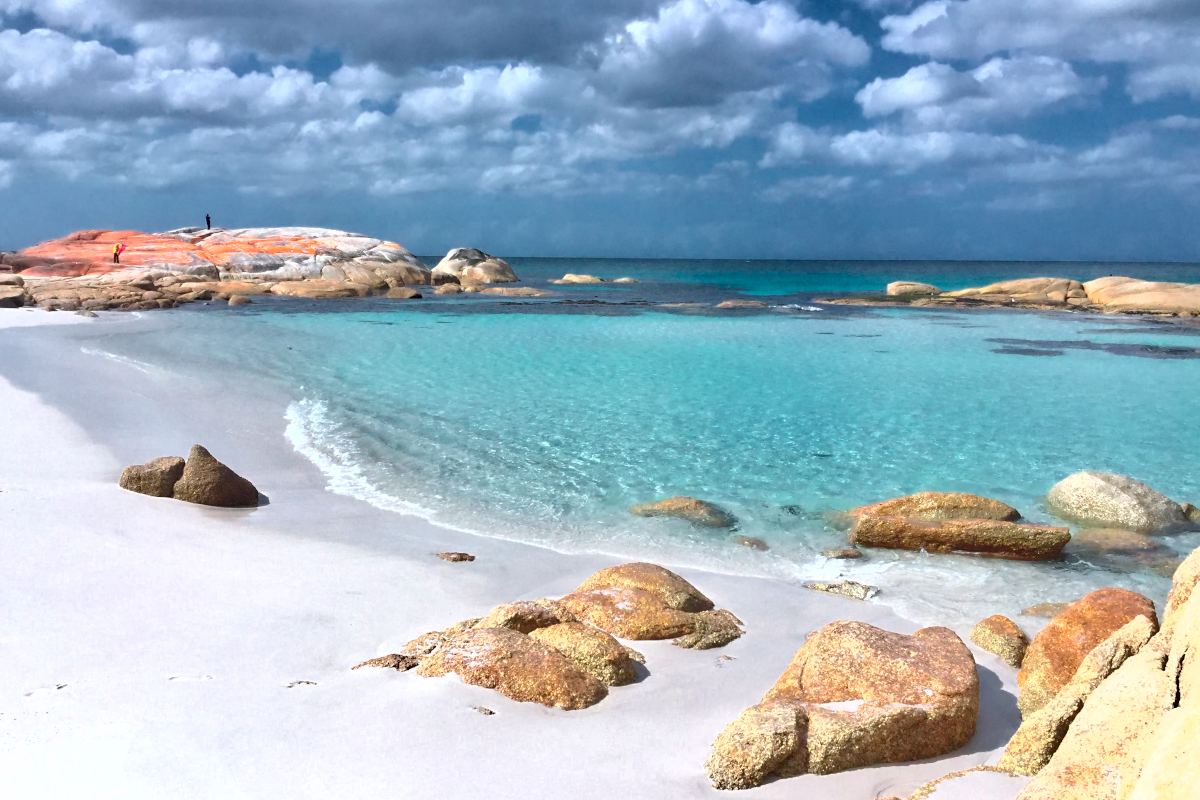
See the gorgeous waters of the Bay of Fires
Best Things To Do In New South Wales
New South Wales kind of has it all, and it knows it. This is the state with Australia’s most famous city (Sydney), some of its best beaches, dramatic national parks, and enough wine regions to keep you busy for months. NSW is where most international visitors start their Australian adventure, and honestly, some never leave! Sydney dominates with its glittering harbour, but venture beyond and you’ll find surf towns, beaches and landscapes that shift from subtropical to alpine within a few hours drive.
Sydney Harbour
- Best time to visit: Year-round
- Cost: Free to visit, costs vary for activities
- Time needed: Half day minimum
- Best for: Families, road trippers, foodies, history buffs, architecture & arts enthusiasts
Sydney Harbour is the city's spectacular centrepiece. The iconic Sydney Harbour Bridge and Opera House create one of the world's most recognisable skylines, but the harbour really does offer so much more than just postcard views. Catch a ferry from Circular Quay to Manly, walk the harbour foreshore from the Opera House to Mrs Macquarie’s Chair for the perfect photo angles or explore hidden beaches like Camp Cove and Nielsen Park. The harbour, of course, is just the beginning of things to see and do in Sydney, see our full guide of all the best things to do in Sydney here.
Blue Mountains National Park
- Best time to visit: Year-round
- Cost: Entry is free in most areas, Glenbrook entry has an $8 AUD vehicle fee
- Time needed: 1 day minimum
- Best for: Nature lovers, hikers, families, adventurers, photographers, road trippers, campers
The Blue Mountains earned their name from the blue haze created by eucalyptus oil evaporating from the massive gum forests blanketing these ancient sandstone cliffs. The Three Sisters rock formation at Echo Point is the iconic photo opportunity, but venture further beyond Katoomba’s tourist crowds to find the magic of Wentworth Falls, the Grand Canyon walking track and the Govetts Leap lookout overlooking the Grose Valley. Take the Scenic Railway (the world’s steepest passenger railway at a 52-degree incline) down into the valley, or abseil and canyon with adventure operators. The mountains also host a range of cafes, galleries and free campgrounds for overnight stays.
Byron Bay
- Best time to visit: Year-round (September-November for whales, December-March for warmth)
- Cost: Free to visit
- Time needed: 1-3 days minimum
- Best for: Surfers, beachgoers, relaxation, road trippers
Byron Bay is Australia’s bohemian beach paradise. The lighthouse walk at sunrise is essential - spot dolphins, turtles, and whales migrating (June-November) from the clifftop track. Main Beach and Wategos offer excellent swimming, while The Pass and Cosy Corner are great surf breaks. The town itself is quite alternative. You’ll find plenty of yoga studios, organic cafes, crystal shops, excellent restaurants and lively bars. Byron's vibe is infectious so always be open to staying longer than expected.
Jervis Bay
- Best time to visit: Year-round. December to February for warmth
- Cost: Vehicle passes into Boderee National Park start from $20 AUD
- Time needed: 2-3 days minimum
- Best for: Families, seeing wildlife, nature lovers, hikers
Jervis Bay and the entire surrounding bay system deliver turquoise water, marine parks filled with wildlife and beaches so pristine you’ll question if they’re real. The sand literally squeaks underfoot and is so white it doesn’t retain heat so you can walk barefoot freely all day. Snorkel at Green Patch or Plantation Point to see weedy sea dragons, rays and colourful fish, or join a dolphin cruise to see pods of bottlenose dolphins swim alongside the boat. Jervis Bay is also an awesome spot for kayaking, stand-up paddleboarding and coastal bushwalks in Booderee National Park.
Lord Howe Island
- Best time to visit: September to May
- Cost: Cost varies depending on flights, accommodation and activities
- Time needed: 3-4 nights minimum
- Best for: Outdoor lovers, adventurers, families, hikers, divers
Looking for something special to do when visiting Australia? Why not visit Lord Howe Island. The island is a World Heritage listed volcanic island limiting visitor numbers to 400 at any time, meaning you’ll never encounter crowds. Lord Howe Island stretches 11 km long and 2 km wide, with two dramatic volcanic peaks (Mount Gower and Mount Lidgbird), a gorgeous lagoon perfect for snorkelling and beaches where you’re more likely to see seabirds than other people. Rent a bike and explore the entire island in a day - it’s pretty awesome. If Lord Howe Island is on your bucket list, we’d recommend booking early. With limited space on the island, available accommodation always fill up fast.
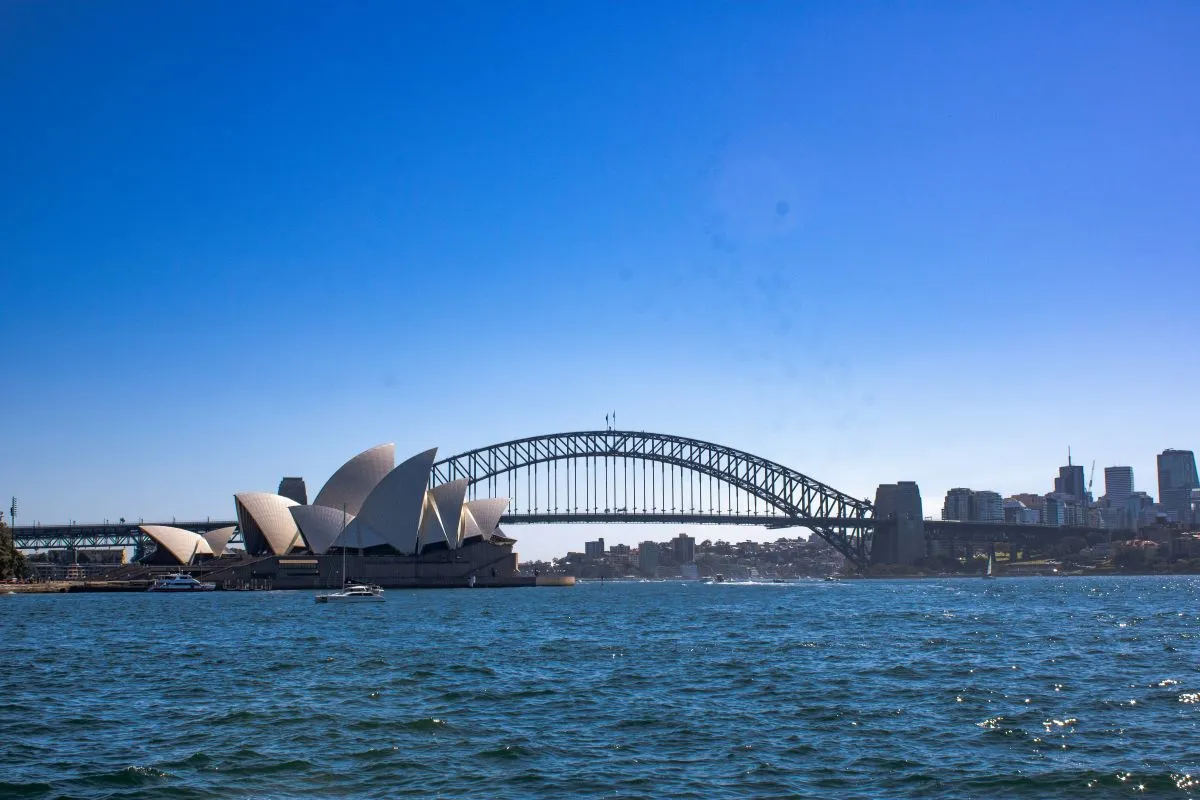
See the famous Sydney Harbour in New South Wales
Let's get you out there!
So there it is! Experiences spanning from rainforests to reefs, historic sites to world-class cities and beaches. Australia doesn’t do things by halves, and neither should you. No matter if you have two weeks or two years, start ticking off these itineraries and you’ll experience a country that’s somehow both ancient and modern, rugged and refined, familiar and completely unlike anywhere else on Earth. Trust us - it’s worth the flight to get here!