Award-Winning Campervan Hire in Australia | Email, chat or call the Spaceships AU Crew


Hit enter to search or ESC to close
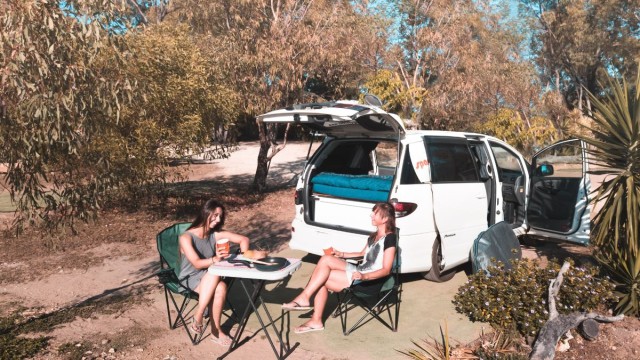
Don’t let accommodation in Australia soak up your travel budget. Hotels, hostels, caravan parks - it all adds up fast. Real savvy travellers know Australia has hundreds of free camping spots scattered across the country and you don’t need to sacrifice comfort or safety to find them. With a bit of planning, you can cut your accommodation costs down to virtually nothing - especially when travelling by campervan.
This guide covers everything you need to know about free camping in Australia. We’ll show you where to find legitimate free camping spots, which apps work for finding them, what to expect when you get there, and the unwritten rules that’ll keep you on the right side of the law. Whether you’re a budget traveller or just smart with your money, free camping is the ultimate way to explore Aussie without the accommodation bills.
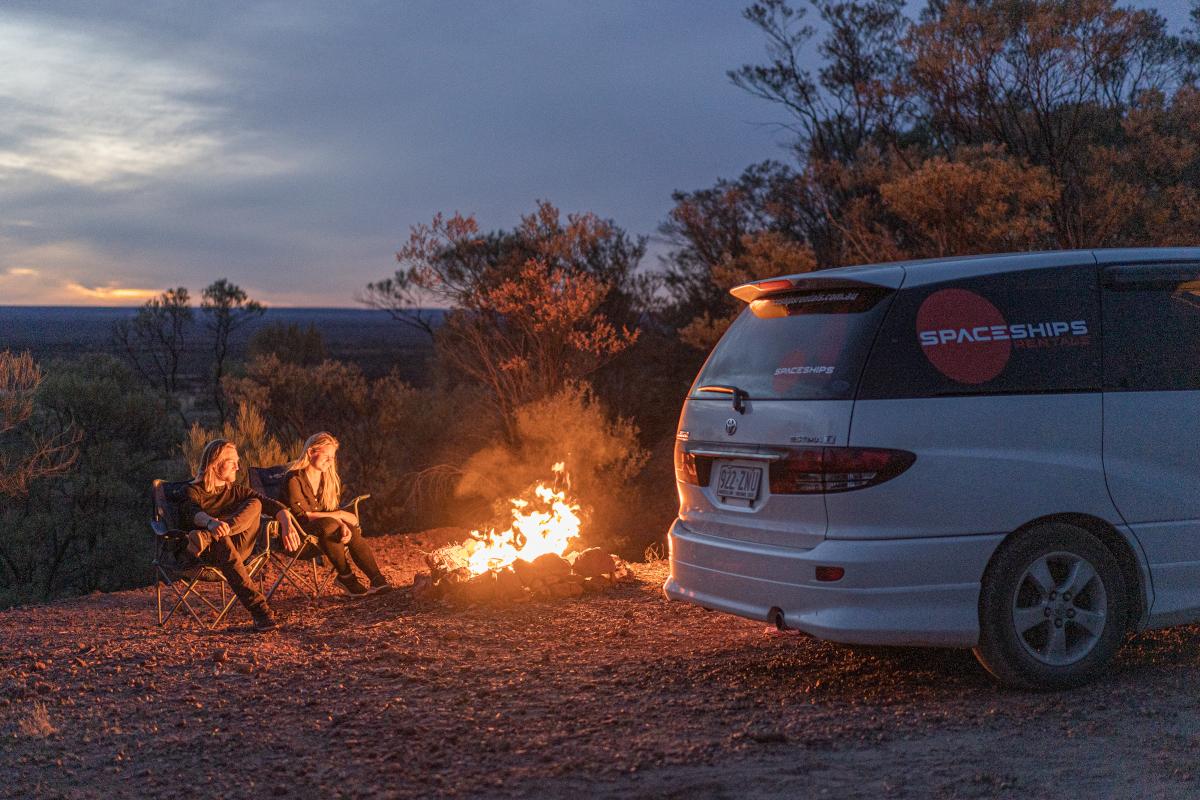
Camping in Australia - Enjoy amazing remote locations
Why Free Camp in Australia?
To state the obvious, you’ll save money. When free camping you could save anywhere from $10 to $80+ per night compared to caravan or holiday parks. Over a two-week trip, that could be $800+ back in your pocket for fuel, activities or just having a longer holiday. For long-term travellers doing months on the road, free camping is often the difference between affording the trip or not.
Of course, free camping is not only about being cheap. The experience of freedom camping has a certain adventurous atmosphere and takes you places that paid campgrounds simply can’t. They don’t exist near tourist towns or along the beaten track. They're tucked away in state forests, perched on coastal headlands or scattered through the outback where the stars shine so bright you’ll forget what light pollution looks like.
To freedom camp you do often need to be self-sufficient. This simply means carrying your own drinking water, being comfortable without power, and taking responsibility for your own rubbish. But if you’re already hiring a campervan, you’ve got everything you need.

Enjoy free camping all over Australia
Types of Free Camping in Australia
Free camping spots are spread right across Australia, but they’re not distributed evenly, and you definitely can’t just pull over anywhere you fancy. The easiest way to find free campgrounds is on the CamperMate app - it’s free for every kind of traveller. Understanding where free camping is actually permitted will save you from expensive fines and help you discover some beautiful places to stay.
Council Approved Free Camping Areas
Many regional towns across Australia offer free camping to encourage tourists to stop and support local businesses. These spots are legal, often well-maintained and usually located close to town amenities like supermarkets, cafes and fuel stations. You’ll find council free camping spots are particularly common in:
- Regional Queensland towns along inland routes
- Country NSW in the Central West and Riverina regions
- Outback South Australia communities
- Remote Western Australia townships
- Country Victoria towns (though these are becoming less common)
Highway Rest Areas
Highway rest areas are your most reliable option for free overnight stops, especially when you're covering long distances. These areas are often close to the road and rules vary by site and state. You’ll find them scattered along major highways across Australia, like the Stuart Highway through the Northern Territory or the Eyre Highway crossing the Nullarbor. Most areas allow you to stay for 20-24 hours which gives you plenty of time to rest up before continuing your journey. You’ll likely find basic toilets and picnic tables. Some better equipped ones have dump points for waste disposal, or some may have nothing at all.
The key thing to remember is that rest areas are designed to help with traveller fatigue, not camping holidays. You may find popular rest areas start to fill up with campervans and RVs from around 4pm onwards. Be sure to stick to the time limits on the signs and you’ll be sweet.
National Parks & State Forests
People assume national parks charge camping fees, but plenty of them actually offer free or very low-cost camping options. The rules once again vary by state. Some require booking fees (usually around $5-15 per person), while others offer completely free camping in designated areas. The trade-off is that there are often limited facilities like long-drop toilets, no showers or power, but you're camping in some of Australia’s most protected and beautiful landscapes.
State forests can be more accessible and more flexible than national parks. In Victoria, New South Wales and Queensland, many forests allow free camping offering genuine wilderness experiences away from the crowds.
Crown Land & Public Reserves
Crown land is government-owned land that, in many cases, also provides areas for free camping. Rules here vary significantly depending on what state you're in and who manages the specific areas. In outback regions and remote areas, you’ll often find crown land where dispersed camping (camping outside of campgrounds) is permitted. Western Australia, South Australia and the Northern Territory have the most accessible crown land for free camping. We do recommend you do your research before choosing where to camp. Some crown land requires permits or has seasonal restrictions (particularly during fire danger periods), and some areas that look like open public land are strictly off-limits. When in doubt, check local council or state websites.
Beaches and Coastal Areas
Waking up to ocean views sounds perfect, right? Unfortunately, beach camping is heavily restricted in most of Australia, particularly along the popular east coast with areas like Byron Bay, Gold Coast, Noosa and Airlie Beach. Many coastal councils have banned overnight camping in beach car parks due to overcrowding and environmental concerns. That said, there are still opportunities for free beachside camping as well as lots of paid camping options all found on the Campermate app.
The golden rule with beach camping is to never assume it’s allowed. Always look for clear signage or check local council regulations.
What About “Wild Camping” or “Bush Camping”?
You may hear these terms thrown around when it comes to camping. Generally they mean camping on unmarked public land away from designated campgrounds. While it does sound adventurous, wild camping in Australia is quite restricted and the rules vary a lot by state. The risks of fines, getting stuck in unsuitable terrain, or finding yourself somewhere you shouldn’t be isn’t worth it for most travellers - especially when Australia already offers so many legitimate free camping options.
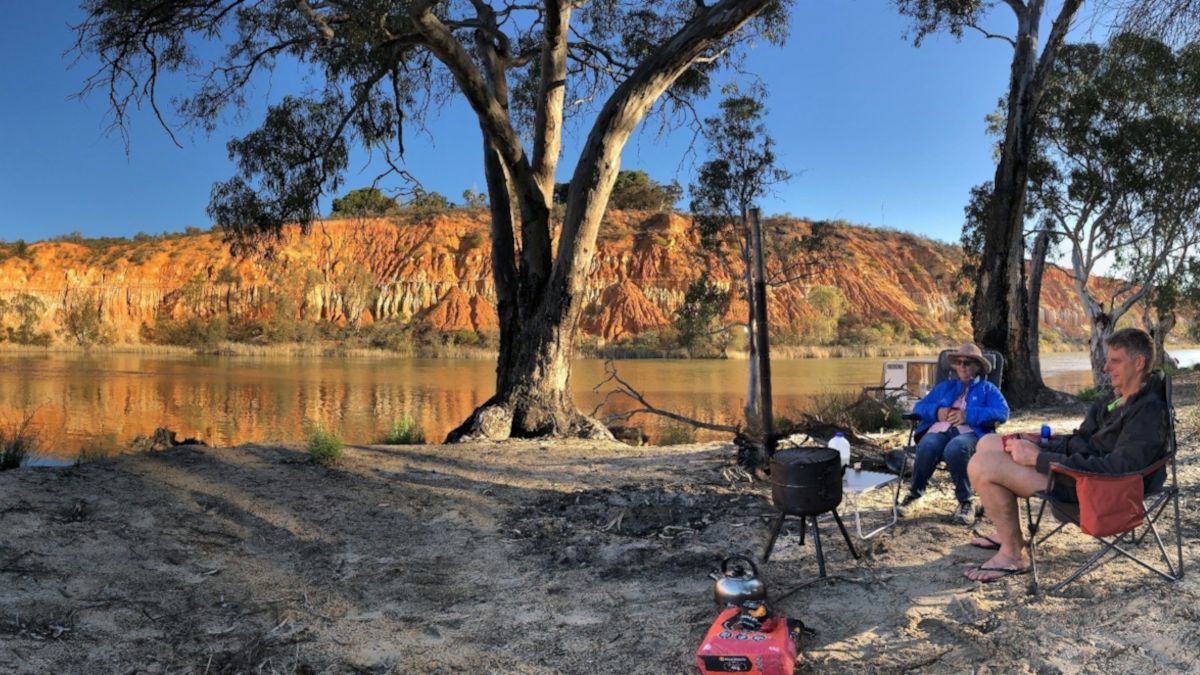
Find the perfect free camping spot for your road trip!
How Does Free Camping Work in Australia?
If you’ve never free camped before, the whole concept might seem a little unclear. How do you actually find these spots? Do you need to book? What’s expected of you? Here’s a breakdown of exactly how freedom camping works so you know what to expect when travelling in Australia.
Finding Where to Camp
A lot of free camping operates on a first-come, first-served basis. This means no bookings, no reservations, and no calling ahead to secure your spot. You simply arrive, find a suitable place to park up and call it a day. Because of this, popular spots can fill up pretty quickly, especially during school holidays, long weekends, or during the summer (December to February). The best approach is to have a few backup options in mind. Using apps like Campermate can help you find potential spots along your route. The app will also give you more info on what to expect and if bookings are required.
Understanding Time Limits
Nearly all free campsites have time limits and it’s important to obey these rules. These limits exist to share the space fairly among all travellers and prevent free camping areas from becoming semi-permanent camps. Overstaying is one of the quickest ways to attract ranger attention or a cop and a fine. Even if nobody else is around, respect the time limits - rangers do patrol and they know when vehicles have stayed for too long.
Do You Need A Self-Contained Vehicle?
No, you absolutely don't need a self-contained vehicle to enjoy free camping in Australia. You've got hundred of campsites to choose from regardless of your campervan set up. While some freedom camps have introduced self-contained only rules this only represents a small fraction of Australia's free camping network.
Being Self-Sufficient
Free camping means exactly that - free, but also without services. You’ll need to be completely self-sufficient because most free campsites offer minimal or no facilities. This means you’ll need:
- Drinking water: Don’t assume you’ll find water at free camps. If there is water, it’s often untreated and not suitable for drinking.
- Power: If your camper has batteries that require recharging, you may need to plan on alternating between free camps and powered caravan parks every few days. Spaceships campervans run on a smart battery system, so there is no need to worry about this!
- Waste disposal: You’re responsible for all your rubbish. Most free camps won’t have bins so you’ll need to hold on to your rubbish until you find a suitable bin. The same goes for grey water and toilet waste. Only empty at designated dump points, never on the ground or in natural waterways.
- Cooking: Free camps rarely have BBQ facilities so you’ll be cooking in your campervan. Luckily, all Spaceships campervans come stocked with everything you need to cook breakfast, lunch and dinner with ease.
Check the Rules
Try to do this before arriving to avoid disappointment, but always look for signage about:
- Maximum stay duration
- Fire restrictions (especially during summer)
- Whether generators are permitted (some sites ban them during quiet hours)
- Specific vehicle requirements
- Quiet hours (usually 10pm-7am)
If there is no signage, that’s not an automatic green light. It just means you may need to check council websites or camping apps for the specific rules. If you’re not sure, the safest bet is to follow general camping etiquette: keep noise down, don’t leave rubbish and move on after 24 hours.
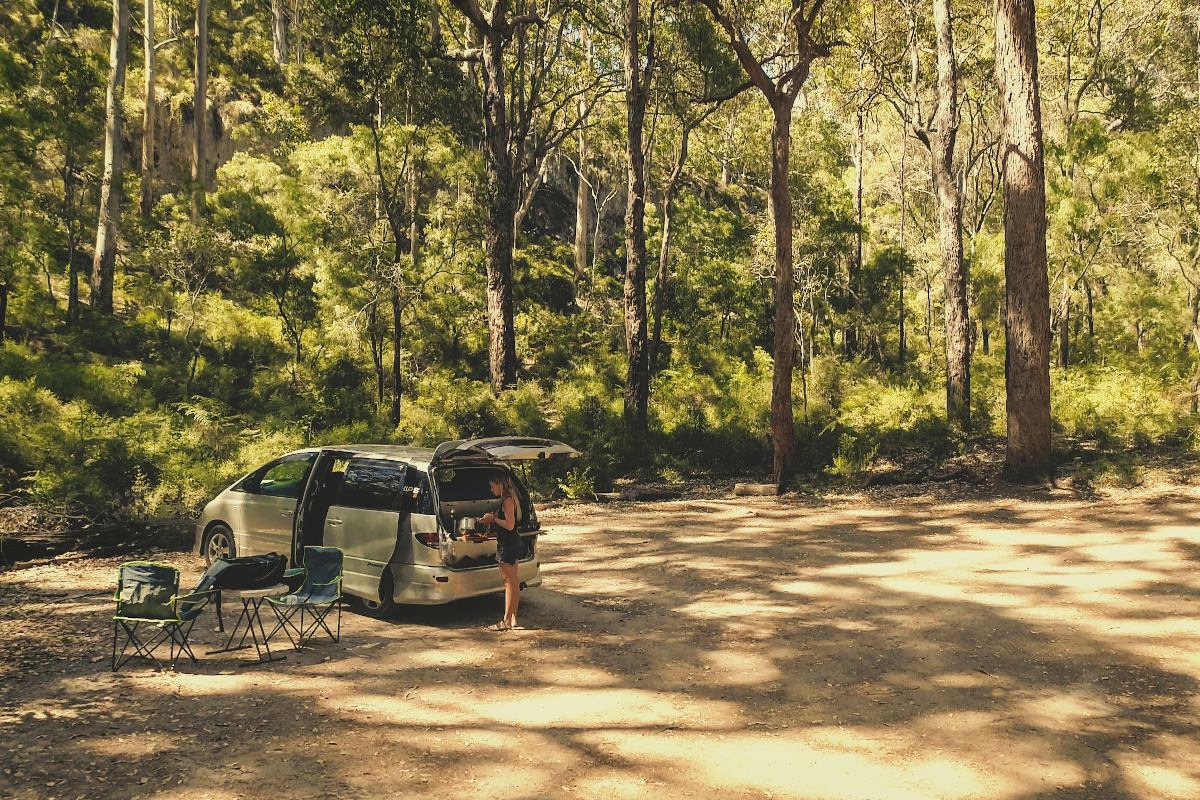
Save money by free camping on your Aussie road trip
What Is The Best Free Camping App In Australia?
Don’t try and just camp anywhere. That so-called ‘free camping’ spot you parked up in could turn into a fine more expensive than a 5-star hotel. Finding legitimate free campgrounds is easy when you have the right apps. You’ll find verified campsites across Australia complete with user reviews, photos, and up-to-date information on the facilities and possible restrictions.
CamperMate is our top pick for free camping apps in Australia. It’s completely free and covers thousands and thousands of campsites including free camps, rest areas, dump stations, caravan parks and even activities across Australia and New Zealand. The app even works offline once you’ve downloaded the maps, which is crucial when you’re out of phone range, especially in places like the Australian outback.
WikiCamps is another great option. It does cost $9.99 AUD (one-off cost), but it’s super detailed with filtering, trip planning tools and a massive user community that constantly updates the information.
Your Spaceships campervan also comes with a complimentary copy of Camps Australia Wide, the iconic guidebook that’s been helping travellers find camping spots for years. It’s perfect for helping you plan while out on the road.
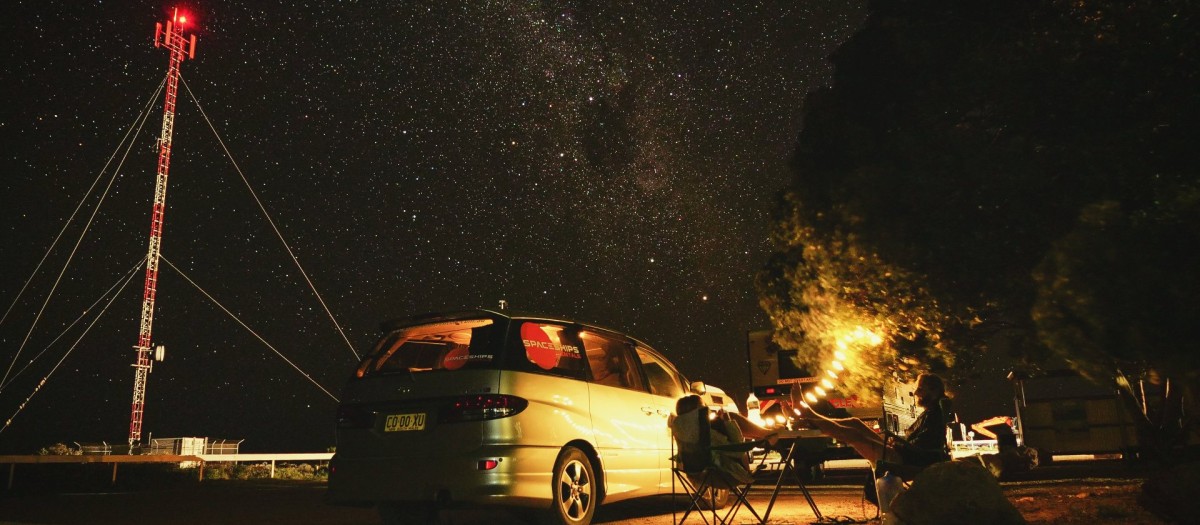
Camp under the stars in Australia
Where to Free Camp in Australia
Want to know where the best free camps actually are? We’ve picked some standout spots in each state to get you started. These range from beachside escapes to forest retreats and national park gems.
New South Wales
Warragamba Reserve Camp: 1 hour from Central Sydney is Warragamba Reserve where you'll find a free campground for campervans and caravans - no tents. Set in a peaceful park not too far from local shops the campground is well set up with flush toilets and an onsite dump station. A 48 hour stay limit is enforced.
Goolong Creek Crossing: Located just over an hour north of Coffs Harbour inland is Goolang Creek. The campground is near the road with easy access to a fairly level area. It’s just a short walk down to the creek with a sandy/pebbly bottom and clear water.
Victoria
Latrobe River Camping Area: Located 1.5 hours east of Melbourne, Latrobe River Camping Area offers unpowered sites with toilets and picnic tables, sitting close to the river with hiking trails leading to the famous Ada Tree and Seven Acre Rock.
Pettman’s Beach Camping Area: Located 20 km northeast of Lakes Entrance, Pettman’s Beach Camping Area has great surf fishing and is just 150 m from the beach. The site has simple facilities with non-flush toilets.
Queensland
Babinda Boulders Camping: Located at the end of Boulders Road are parking areas for both self-contained and non-self-contained. Camp near the crystal clear natural pools and massive granite boulders at the base of Queensland's tallest mountain. There are toilets, cold showers, BBQ spots, fire pits and waste bins. The maximum stay is 72 hours. It's a great spot to stay while road tripping around Cairns!
Fletcher Creek Camping: 2 hours inland from Townsville, Fletcher Creek is classic outback camping with amazing bushwalking nearby. There is a max stay of 4 weeks if you really wanted to settle in. Find toilets, cold showers, a dump station, rubbish bins and picnic tables.
Wuruma Dam Camp Area: 5 hours north of Brisbane, inland from Bundaberg, you’ll find Wuruma Dam Camp Area. There are 40 designated sites with dam views. It’s a great spot for fishing - find bass, barramundi or golden perch in the dam. There are toilets, fire pits and picnic tables.
Western Australia
Betty’s Beach Camp Area: 40 minutes from Albany, Betty's Beach Camp Area offers stunning views, great fishing and beach access for swimming. There are basic amenities like drop toilets and bins, but be sure to arrive early to secure a spot. Please note: this campground is closed from 15 Feb to 30 Apr for salmon season.
Mary Pool Rest Area: Located just off the Great Northern Highway, the Mary Pool Rest Area has good facilities and a dump point. The area is large and near the Mary River. You’ll find toilets with flushing water and even some friendly cows roaming around. There is a 24-hour maximum stay at this rest area.
South Australia
Moonlight Bay: 30 minutes from Port Lincoln, Moonlight Bay on the Eyre Peninsula is a free campsite right on the rocky coastline between two sandy beaches. You’ll get ocean views and beach access but that’s about it! This campground has no facilities whatsoever.
Lake Hart Rest Area: 5.5 hours from Adelaide and on the route to Coober Pedy (highway A87), you’ll find Lake Hart Rest Area. It's a great stop for long travel days when road tripping to Uluru or Alice Springs. There are bins and picnic tables but no other facilities. The large gravel rest area has great views of Lake Hart (a salt lake) and the night sky - sunsets here are incredible.
Tasmania
Cosy Corner North Campground: Located within the Bay of Fires Conservation Area, Cosy Corner North is a sheltered beach camp surrounded by granite cliffs with reefs just offshore for snorkelling. It’s a popular spot for travellers in Tasmania with basic facilities like pit toilets. The maximum stay is 4 weeks.
Boltons Beach Campground: Located 2 hours south of Hobart in the Southwest National Park at Cockle Creek. Popular spot for people who love bushwalking, swimming, snorkelling, fishing and birdwatching. A maximum 4-week stay applies, and amenities are limited to just a simple pit toilet.
Northern Territory
Highway A87: Driving through the Northern Territory usually means long days on the road, and Highway A87 is your best friend when it comes to free camping options. You'll pass multiple roadhouses, rest areas, and free campsites along this route, giving you plenty of choices for overnight stops. The key is planning ahead so you know where these spots are before you need them.
Gunn Point Campsite: Located just over an hour from Darwin, Gunn Point Peninsula is a great spot for camping and fishing. The campsite has unpowered sites and is for self-contained vehicles only.
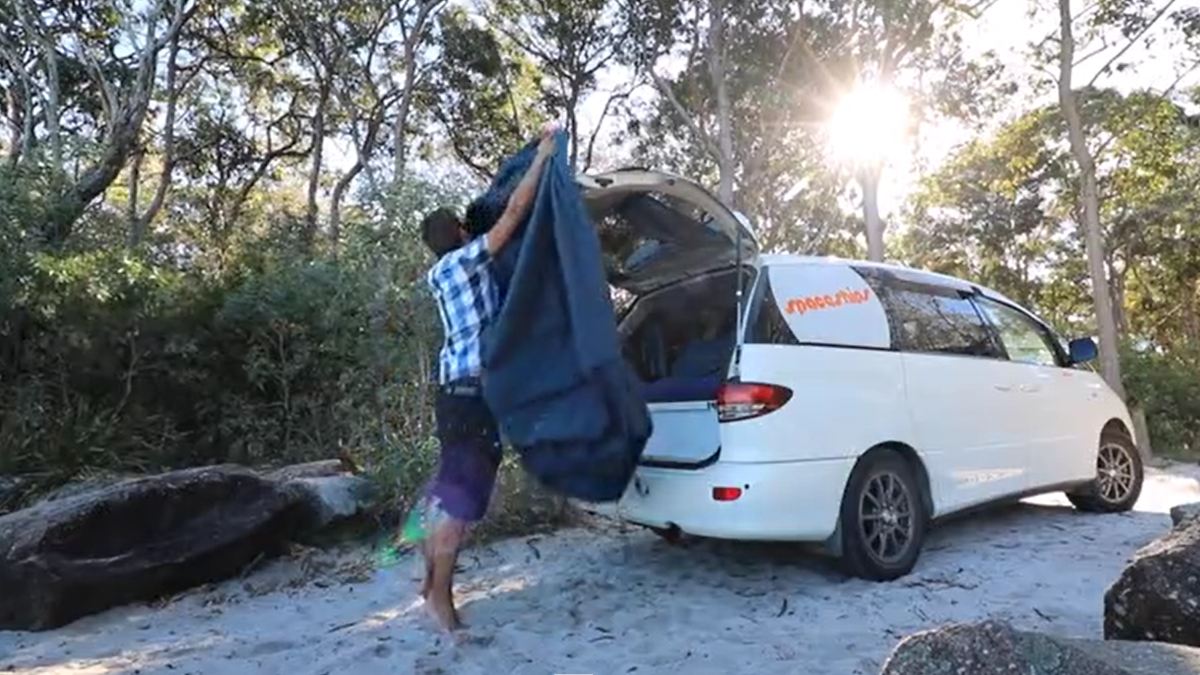
Setting up camp is easy in your Spaceships campervan!
Time to Travel Australia!
Wherever you decide to spend the night, at a holiday park, free campsite or a budget campground, please look after Australia during your travels. Always remember to leave no trace when camping in Australia:
- Plan ahead and prepare
- Travel and camp on durable surfaces
- Dispose of waste properly
- Leave what you find
- Minimise campfire impacts
- Respect wildlife
- Be considerate of your hosts and other visitors
Right, you've got the inside scoop on all things free camping in Australia. You know where to go, what apps to download, and how to avoid those eye-watering fines. Now all you need is the wheels to get you there!
Questions previous Space Travellers have asked us about Free Camping in Australia
Our Free Camping FAQ will make your life as rookie Space Travellers even easier. All your questions about freedom camping in Australia will be answered in the FAQ below. No question is too small, we’ve got your back! So hit us up if you would like to know more.