Award-Winning Campervan Hire in Australia | Email, chat or call the Spaceships AU Crew


Hit enter to search or ESC to close
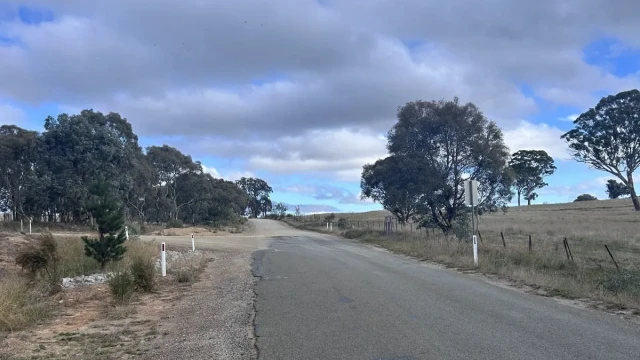
Australia is big. Like really big. And every year thousands of travellers arrive in Australia with a map and a loose plan. They pick up a campervan and hit the road to see cities and landscapes unlike anywhere else in the world. That’s the magic of road tripping in Australia. You’ll get wide open highways that seem to stretch forever, coastlines that go on for days and national parks so vast you could spend a week exploring and barely scratch the surface.
That same sense of freedom and remoteness is exactly why road tripping in Australia is a little different to road tripping in other places. Distances are much bigger than they look on a map, weather can shift dramatically, mobile coverage can disappear and some of those scenic looking tracks you see on social media and Google Maps are not always what they seem.
At Spaceships Rentals, we’ve seen it firsthand. So before you hit the road, here’s the real talk that experienced Australian road trippers think you should know and why we've limited unsealed road access for our vehicles.

See the best of Australia on a #SpaceshipsRoadTrip
What is an Unsealed Road?
If you're not familiar with the term, an unsealed road is any road without a hard paved surface, so no asphalt or bitumen. In Australia that covers everything from maintained gravel tracks to red dirt roads, sandy outback trails and dry clay surfaces. In good conditions, some of these roads can look deceptively fine but they come with their own set of hazards: loose gravel that can send a vehicle sideways, corrugations (that ripple effect that makes the whole van shake), potholes that appear without warning and bull dust (fine powdery dust that can hide holes). For a 2WD campervan, any of these conditions can go from manageable to dangerous in a second.
Driving on Unsealed Roads in Australia
You could say Australia has a unsealed road problem. Not because the roads are obviously dangerous, but because they are not. Most are actually beautiful sun drenched tracks cutting through a world of outback red dirt and eucalyptus or rolling farmland and coastal tracks. They look adventurous, drivable even, and sometimes they are. But an unsealed road in Australia can change character completely after rain, heavy use or simply the further along you go. What starts as a manageable gravel road can become loose, rutted and unsuitable for a 2WD vehicle with no warning and no easy way to turn back.
Spaceships campervans are not 4WDs. They’re 2WD vehicles built for highways, sealed coastal routes and winding mountain passes. When a 2WD campervan meets a deteriorating unsealed road the damage can be anything from minor to severe. Think blown tyres, cracked windscreens, suspension failure, underbody damage and in more serious cases, accidents.
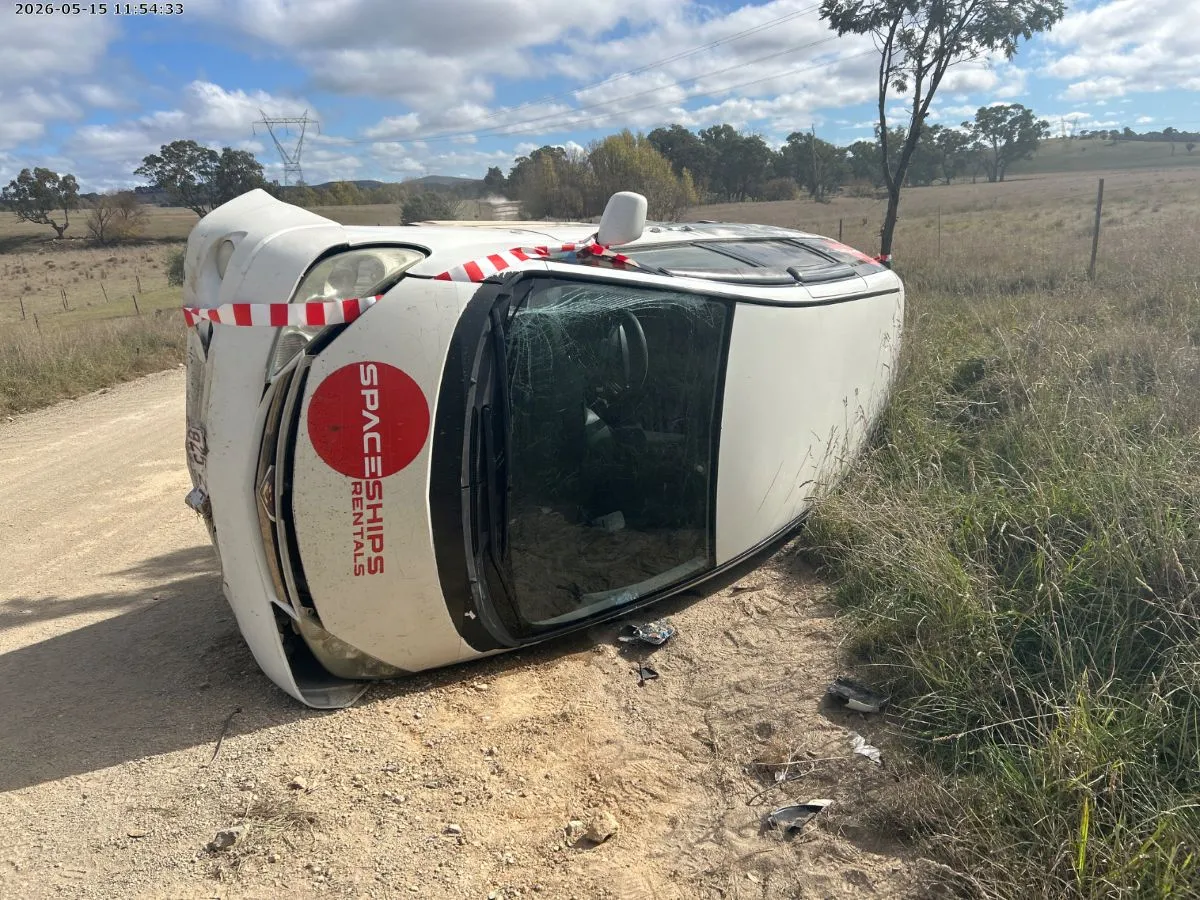
Unsealed road accident - Stay safe Space Travellers
Recently, one of our campervans was written off. A Space Traveller turned onto an unsealed road and shortly after lost control of the vehicle. Nobody was seriously hurt, but the van was damaged and their dream road trip had taken a turn. It’s not the first time something like this has happened.
We’re not sharing this image to scare you. We’ve chosen to share it because most travellers don’t know what can happen on gravel roads, and that’s not their fault. It’s a common surprise for travellers hitting the road in Australia just how quickly road conditions can change and just how different “off the beaten track” can look in real life vs on a map.
The 300 Metre Rule
At Spaceships, we’ve got a simple rule to follow when it comes to unsealed roads: no more than 300m of unsealed road to access a campground only.
It might sound specific and a little limiting but we’ve put it in place for good reason. We’ve seen what can happen when it’s ignored and the safety of our travellers matters to us. The good news is that you actually don’t need to go off-road to experience some of the best scenery on earth. The Great Ocean Road, The Pacific Highway, the highways to Uluru, they’re all incredible drives all of which are on sealed roads. There are thousands of attractions, experiences and campsites right across the country that are all on safe roads. We promise you will not be missing out!
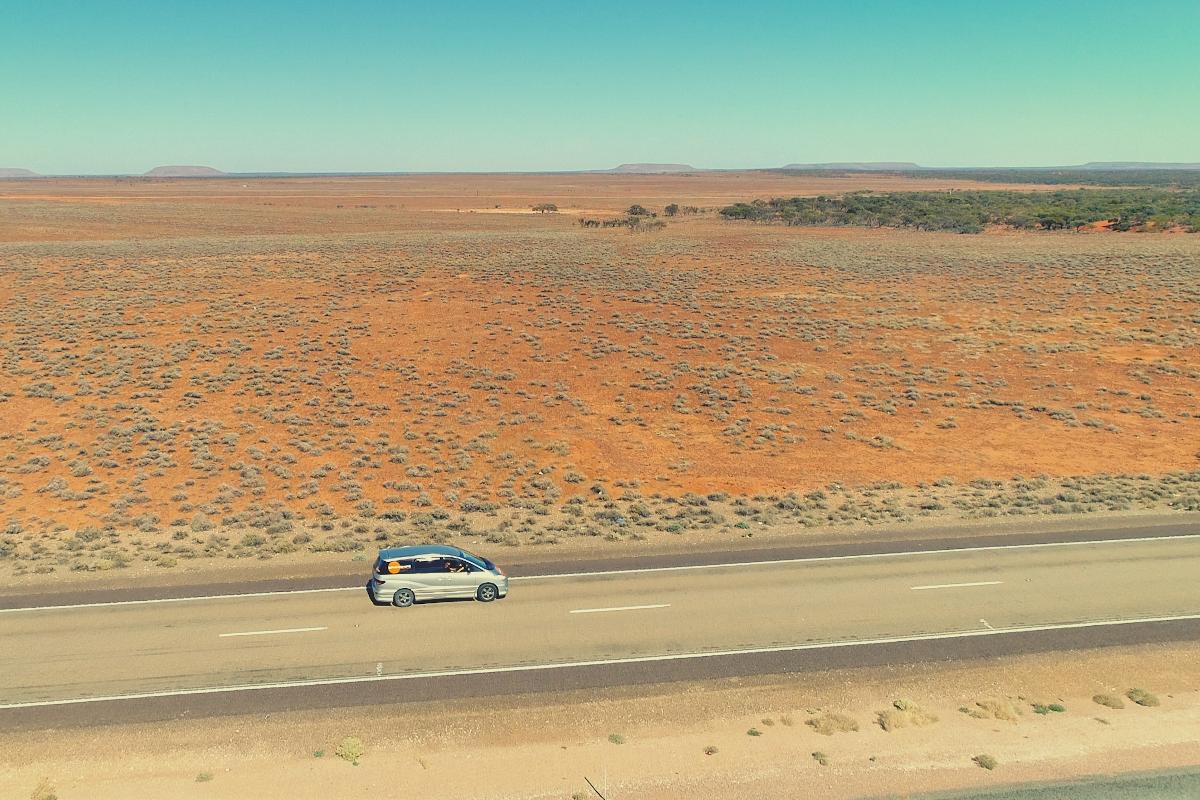
Find safe, sealed roads no matter where you go
Road Conditions by State in Australia
Australia’s road conditions vary depending on where you are and roads can look completely different depending on the season. Here’s a rundown of what to expect and how to check before you go.
Queensland
Queensland has some of the most varying road conditions in the country. The coast is generally well sealed and easy to navigate, but head inland or into Far North Queensland and things can change. During the wet season in tropical Queensland (November to April), heavy rainfall can close roads for weeks. A road that’s safe in July could be closed in January. Check conditions at Queensland Traffic before heading anywhere remote.
New South Wales
New South Wales has a solid sealed road network along the coast and between major cities. The Pacific Highway and Princes Highway cover the coast comfortably and most popular tourist routes are well sealed. If you choose to head inland you’ll find the landscape and the roads start to change particularly in outback NSW. You’ll find long stretches of road between towns and sometimes limited phone coverage. Be sure to check Live Traffic NSW before heading anywhere off the main routes.
Victoria
Victoria is generally well set up with sealed roads making it a super campervan friendly state. That said, campervans and motorhomes need to be careful driving above the snow line during the winter months (roughly May to October) in the alpine areas. Check out all the latest updates at VicTraffic.
South Australia
Head beyond Adelaide and the sealed road network thins out quickly. Main roads like the A87 leading to Coober Pedy and further to Uluru are sealed but beyond that, you’ll come across a number of unsealed roads. South Australia maintains a great road conditions map showing which roads are open to all vehicles, open with caution, open only to 4WD vehicles, or closed entirely. It’s a super handy tool when it comes to planning your trip.
Tasmania
Tasmania is one of the most campervan-friendly destinations in Australia. It's compact, incredibly scenic and with a well sealed road network connecting most major attractions. The east coast, the Huon Valley, and the route to Cradle Mountain are all sealed and stunning. Where you need to be careful is in Tasmania's more remote wilderness areas, where some national park access roads can be unsealed with rough conditions particularly in winter.
Western Australia
Western Australia is vast, incomprehensibly vast, and some of its most iconic outback routes, like the Gunbarrel Highway, can leave travellers nearly 300km from the nearest mechanic. Stick to sealed routes like the Indian Ocean Drive and the Great Northern Highway. Check out Mainroads Western Australia map before heading anywhere unfamiliar.
Northern Territory
The Northern Territory is spectacular and the good news is that the Stuart Highway from Adelaide to Darwin, including the roads to Uluru and Kata Tjuta is sealed the entire way so you can enjoy these natural wonders without leaving the tarmac. Check out Road Report Northern Territory for all the up to date road condition information.
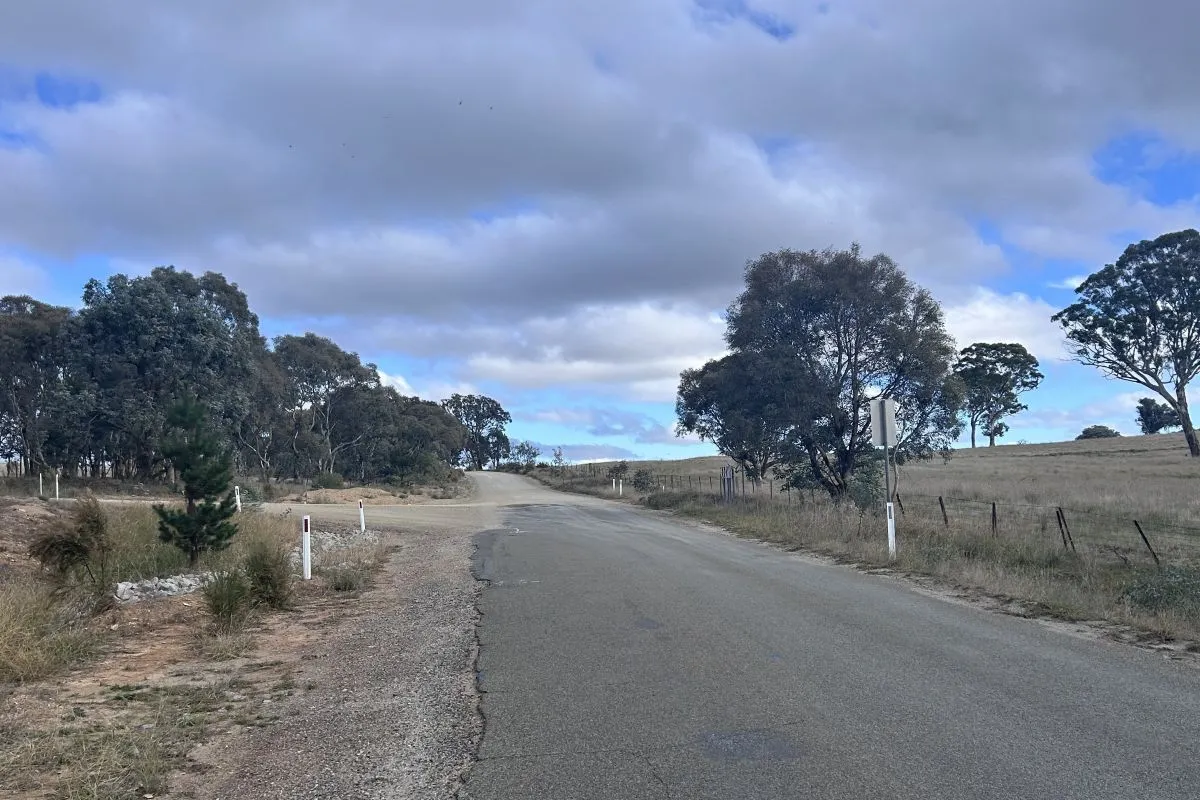
Keep an eye on when the roads change from sealed to unsealed
Driving at Night in Australia
Experienced Australian drivers will often tell you one thing: if you can avoid driving after dark in remote areas, do.
Some Australian roads, especially those in the outback, are long, often unlit and surprisingly hypnotic. One minute you could be driving along just fine and the next you're lulled into a false sense of security right when you need to be most alert. Fatigue is a risk when driving for hours on end and creeps up faster than you’d expect.
Then there’s the wildlife. Kangaroos, wallabies, wombats, deer, the lot. They’re most active at dawn, dusk and overnight, and of course have absolutely no road sense. A kangaroo collision at highway speed is not the type of inconvenience you need when on the adventure of a lifetime. It can total a vehicle and actually happens more than you think. Kangaroos are reported to be the cause of at least 80% of animal collisions, plus many more that would never be reported.
If you're out driving at night on an unsealed road and something goes wrong. Could be a flat tyre, a wrong turn or a vehicle issue, you’re having to deal with it in the dark, potentially without a phone signal and maybe hours from the nearest town.
The better plan is a simple one. Always aim to be at your campsite before the sun goes down. It sounds pretty straightforward but is actually very rewarding. It’s safer, but you also get to arrive relaxed, check out the place you're staying and get the chance to cook a delicious meal in the evening light as the sun goes down. Plan your daily driving around daylight hours, not just distances.
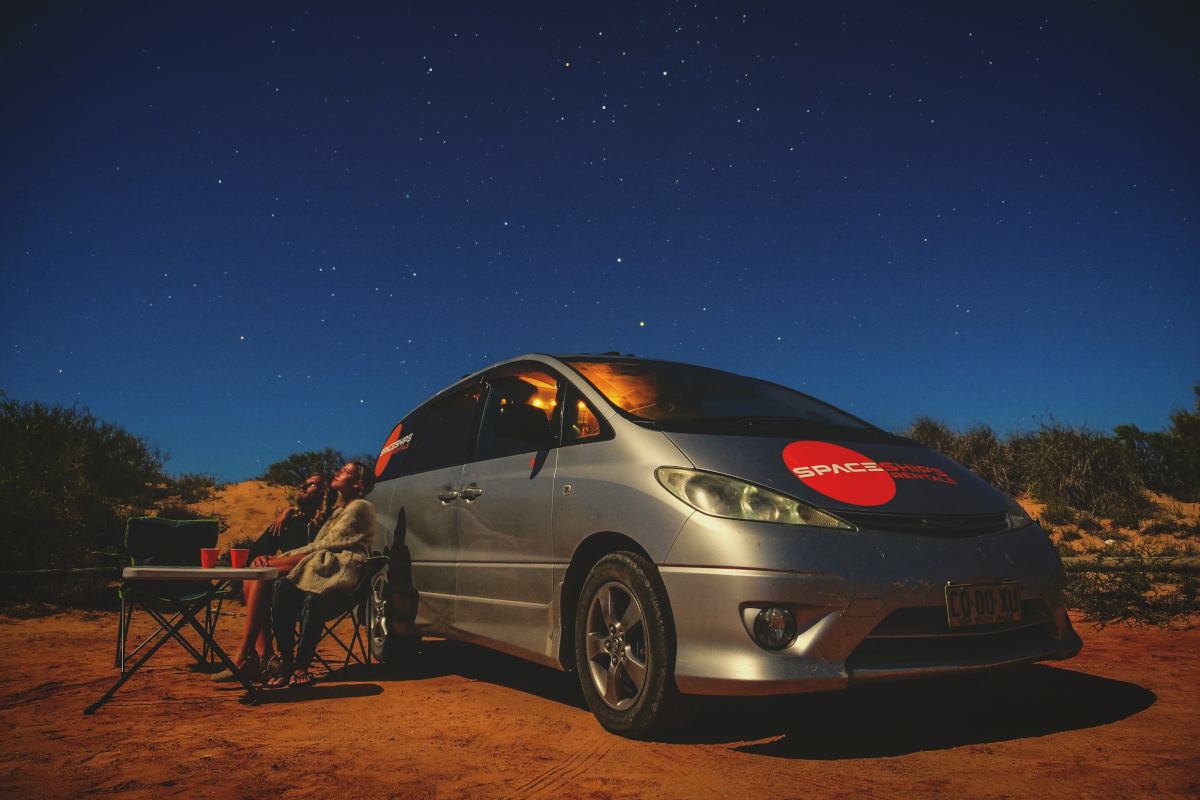
Park up, stay safe and enjoy the night sky
How to Prepare for a Road Trip That Goes to Plan
Australia is known to be an absolutely incredible place to road trip, and most trips go smoothly because travellers do a little planning before they head out. Here’s what you can do:
Check Your Route Before You Go
Before you commit to a campsite or an epic side quest, check what the access road looks like. If it’s unsealed or if you're in doubt of the condition, find an alternative. It’s always better to be safe than sorry. There are enough amazing places to visit on sealed roads that you should never feel like you're missing out.
Plan Your Distances Around Daylight
A good rule of thumb: work backwards from sunset. How far do you need to travel, and how long will it actually take you? Factor in stops, slower roads and that fact that you’ll probably find a number of other beautiful stops along the way. Build in buffer time and arrive with daylight to spare.
Use Reliable Resources
Apps like Campermate are great for finding campsites with accurate information and reviews from real travellers. The Spaceships team or our Support Station (FAQ) are also always on hand if you’re unsure about anything.
Embrace the Pace
The travellers who get the most out of Australia are rarely the ones trying to cover the most ground. Slow down, enjoy your stops and take the scenic route. Just make sure it’s a sealed one!
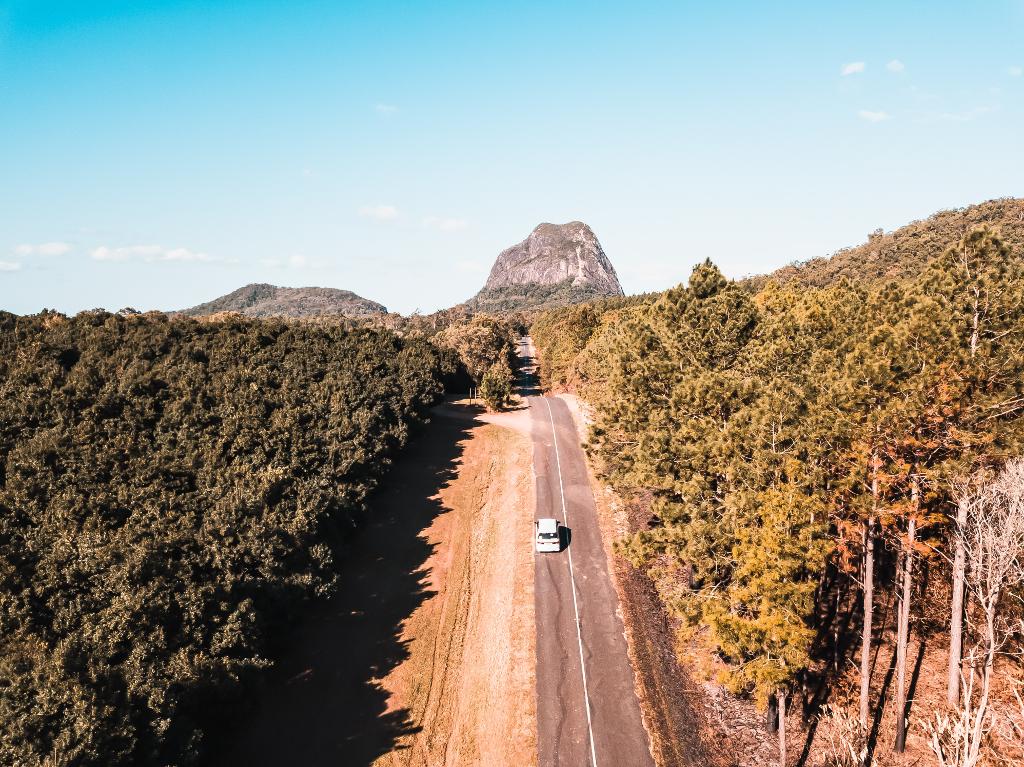
Stick to sealed roads on a #SpaceshipsRoadTrip
Australia Rewards Travellers Who Respect It
Stick to sealed roads, get to camp before dark and give yourself more time than you think you need. These aren't restrictions on your adventure, they're simply what make the adventure possible in the first place.
At Spaceships, we want every trip to be one you're telling stories about for years for all the right reasons. So take the good advice, leave the gravel roads to the 4WDs and get out there.
Frequently Asked Questions